
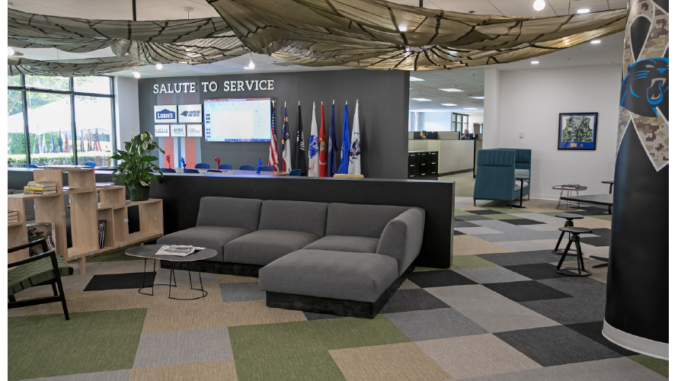
Charlotte Nonprofit Helps Veterans Find a Place to Call Home
By Brenda Porter-Rockwell
Veterans Bridge Home (VBH) began with one family searching for a place to call home. Twenty-five years ago, VBH co-founder Tommy Norman, a Special Forces veteran, answered a friend’s request to help a service member returning from Iraq find housing for his family. Norman and his wife Patty would grow that act of service into a Charlotte non-profit connecting veterans and their loved ones with housing and other community resources.
Safe, secure and sustainable housing
Today, VBH helps veterans and military members with secure, safe and sustainable housing by partnering with government agencies, private entities and other nonprofit organizations. Since becoming a nonprofit in 2011, VBH has connected 24,420 clients to more than 78,000 services. Veterans Bridge Home serves service members, veterans and their families regardless of service era, discharge status or disability level.
Charlotte benefits from a nonprofit like VBH. The Charlotte metropolitan area is home to one of the nation’s largest populations of veterans. According to Mecklenburg County, as of 2024, approximately 120,000 veterans lived in the greater Charlotte area.
VBH reaches veterans through partnerships with organizations such as the U.S. Department of Veterans Affairs, which can refer them to VBH for additional resources. The organization also participates in community outreach and volunteer events for veterans and non-veterans.
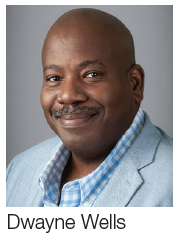
“Social outreach is one of the most effective ways to reach veterans who may not know where to turn for help,” said Dwayne Wells, Metrolina Veteran Bridge Home’s care coordination manager and a veteran. He compared those connections to six degrees of separation: Someone may not know a veteran directly but may know someone who does.
“Veterans often share information and resources through trusted relationships with other veterans, making peer-to-peer connections an important pathway to support,” Wells said. “You can look at it from the angle of, ‘You trust me, and I trust them, so you can trust them, too.’”
Wells found his own position at VBH through a fellow veteran.
“Had I not reached out to that friend and had he not invited me, I might have never known about Veterans Bridge Home. I might not be where I am today,” said Wells.
But not all veterans are comfortable taking that first step and asking for help, Wells said.
“I think the hardest part is taking that first step and saying, ‘OK, let’s go ask for help,’” Wells said.
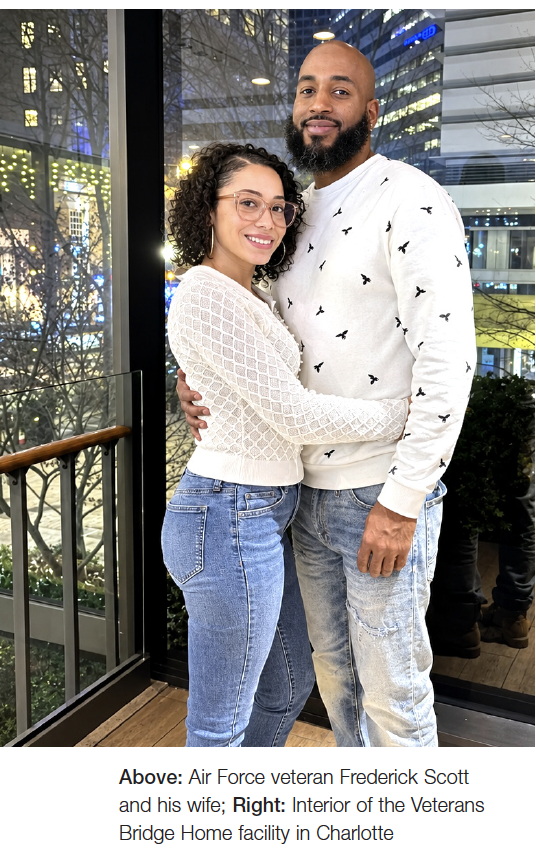
For Air Force veteran Frederick Scott, taking that first step meant setting aside his pride. After his wife, Raven, lost her office administration job last year, the couple’s savings decreased as Frederick’s income supported their three children. Soon, the family was behind on bills and rent.
Although Scott previously worked with VBH on a disability claim, he hesitated when his VA case worker recommended the organization for rental assistance. “Usually, you know, I’m a prideful person. I don’t like to discuss things like that,” said Scott, a facilities maintenance technician.
When Scott finally called, VBH made the conversation easier. “They were very welcoming and made it easy to talk,” he said. The organization quickly provided enough assistance to cover the family’s past-due rent and other household expenses.
VBH’s support continued beyond the immediate crisis. About two weeks later, VBH invited Raven to a job fair. They also connected her with organizations that provided resume writing, employment coaching and job referrals, which led her to the data-entry role she now holds with a utility services company.
More than rental assistance
The Scotts’ story shows how quickly timely assistance can help a family regain their footing — and why VBH encourages veterans to connect before a need becomes a crisis.
From the start of their transition to civilian life, veterans can turn to VBH for rental assistance or help navigating first-time homeownership.
“We do not require the veteran to be in an emergency or homeless situation to request assistance. Our approach is specifically designed to identify needs before they become a crisis,” Wells said.
The need for early support is clear: According to the Charlotte-Mecklenburg Housing and Homelessness Dashboard, veterans represented about 6% of the area’s population experiencing homelessness as of March 2026 — a rate consistent with regional and national figures.
Veterans can submit a Request for Assistance through the VBH website. The organization then assesses each person’s needs and connects them with appropriate resources, Wells explained.
Even a veteran who is currently housed but needs new, safer, more affordable or otherwise “better” housing can still submit a request online. VBH will apply the same assessment to determine what resources may be appropriate.
Housing services
VBH connects service members and veteran families with veteran-friendly apartment communities, Military Relocation Specialist realtors and homeownership resources, including first-time homebuyer programs.
Through the True Homes Foundation Grant, VBH has helped 22 service members, veteran and family households purchase their first homes by providing each qualifying veteran with a $10,000 grant.
Veterans Bridge Home may also connect veterans and their families to VA-backed home loans, which protect the lender by covering part of an eligible veteran’s home loan or to loans no down payment required. Loans like this reduce monthly housing costs and remove barriers to homeownership.
VBH began with one conversation and one family. More than two decades later, the Charlotte nonprofit connects veterans and their families with housing and other essential community resources.