

By Derik Hicks
When Jalen Hinton sat in his high school guidance counselor’s office and contemplated a four-year college degree, he said he felt the pressure to go to college and get a bachelor’s degree that many high school students face. But for many Black men, that path now feels increasingly uncertain.
According to the American Institute for Boys and Men, there has been a decline in the enrollment of Black men. “Black men account for only 26% of the students at historically Black colleges and universities, which is down from 38% in 1976. In fact, there are fewer Black men enrolled at HBCUs today than in 1976.”
“At the same time, Black male enrollment at predominantly white institutions has also struggled. Black men represent a small share of total enrollment, and their six-year graduation rate hovers around 34–36%, compared to about 60% for all students,” according to the National Center for Education Statistics.
At Goodwill Industries of the Southern Piedmont in Charlotte, Director of Construction and Trade Training Marvin Kelley Jr. is watching this shift closely — not as a crisis, but as a chance to recalibrate how young Black men build their futures. “We’re not saying college is bad,” he said. “We’re saying there’s another credible route — hands-on, debt-free, with a real job at the end.”
Many Black men are choosing not to enroll in college or they enroll but never finish, citing financial pressure, lack of belonging and mounting debt. At a time when overall college attendance is slipping nationwide, this trend raises a larger question: How do Black men find meaningful, sustainable work when college isn’t the path it used to be?`
The skilled trades offer solid opportunities
Certification programs in carpentry, electrical and HVAC are now the most popular at Goodwill’s Charlotte training center, Kelley said. He points to a national construction labor shortage of 400,000 to 500,000 workers as a major draw. The demand for the aforementioned skilled workers and plumbers is booming, offering solid wages without student debt.
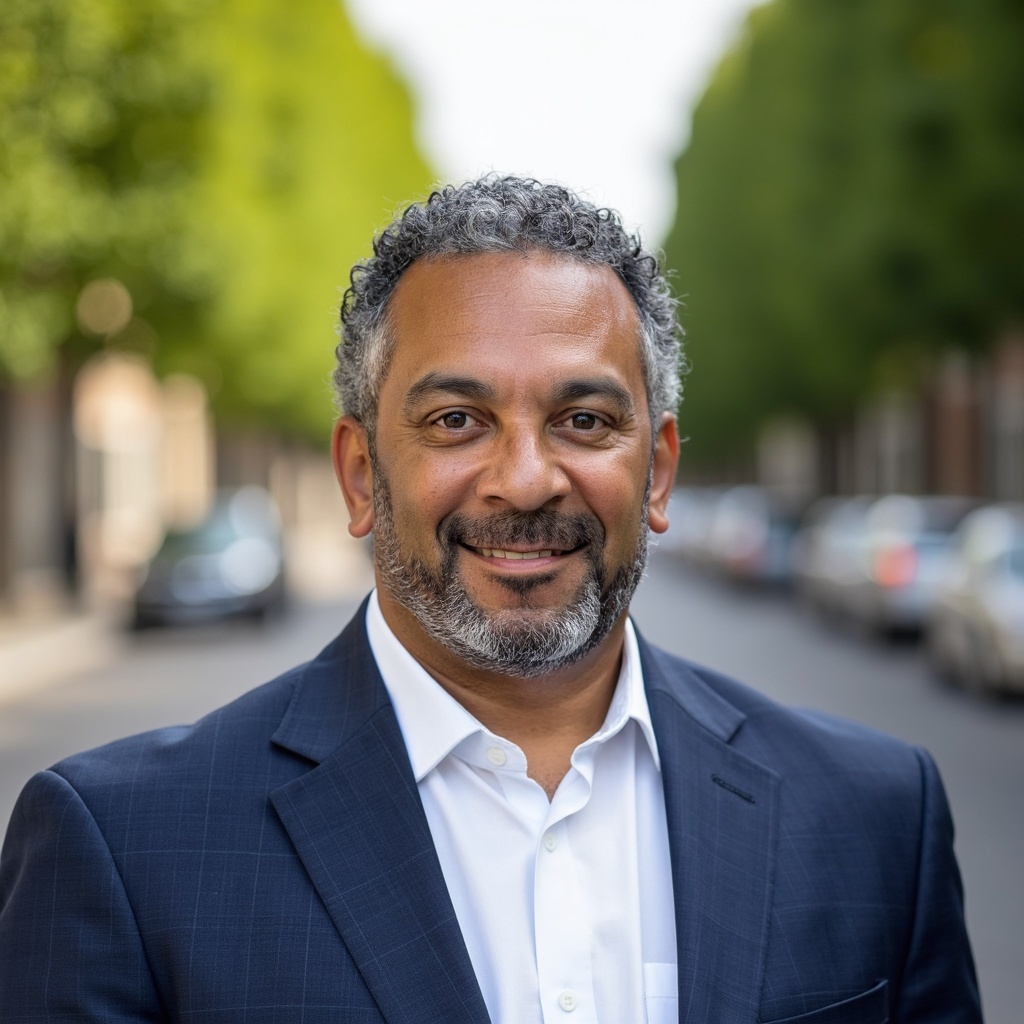
“I chose a trade school because I wanted hands-on experience. I’ll be financially stable, but it’s more than that — it’s about doing something meaningful,” said Jalen, who is a recent graduate of Goodwill’s HVAC training program and employee at Jim Dickerson Company.
Goodwill offers no-fee training programs, Kelley said. Donations, grants and corporate partnerships fund them. “You walk out in six months, certified and ready for work. College can set a student back four years and tens of thousands in debt, but this route puts them to work quickly,” he said.
For many young Black men, Kelley said, the opportunity to earn while learning feels more attainable. “They may have seen no one in their family go to a four-year school. Here, we just ask, ‘Are you willing to work hard? Do you want a career you can see, touch, build?’ ”
Goodwill’s outreach happens in high schools, barbershops, churches and recreation centers — they meet young men where they are. And the results are tangible: Roughly 70% of graduates secure employment within six months.
Trades, not trade-offs
Choosing a trade isn’t a fallback — it’s a strategy. “These young men aren’t denying college,” Kelley said. They’re choosing a different kind of education that puts them to work quickly, with no debt, he said.
Electricians, HVAC techs, carpenters and plumbers aren’t just clocking in to work, they’re involved in jobs that could serve as launchpads for business ownership and long-term careers, Kelley said. “An HVAC technician could be making $60,000–$70,000 within three years,” he added. The trades also align with Charlotte’s booming construction and infrastructure economy.
Kelley’s five-year vision for Goodwill’s Charlotte center is to double its training capacity, welcome graduates back as instructors and build a pipeline from students to workers to leaders. What looks like a drop in college enrollment, he said, may just be Black men redefining success.