

By Alicia Michele Benjamin
We all have the capacity to be creative. This is obvious when you visit a preschool classroom or watch a child at home freely expressing themselves with paint and crayons on paper — or sometimes even the walls!
Somewhere along the line, creativity gets discouraged for many people. As a result, many adults lose confidence in their ability to make art or express themselves creatively.
So, it makes sense that art is often used to treat patients facing mental health concerns or physical challenges.
A study in the journal “Supportive Care in Cancer” published in March 2024 examined how art therapy was used to help cancer patients undergoing chemotherapy. Researchers found evidence that encouraging patients to explore creating art as therapy can help reduce anxiety, depression and psychological distress while improving their quality of life.
According to the American Art Therapy Association and the American Music Therapy Association, creative arts therapies are used in hospitals, counseling practices, schools, rehabilitation centers and senior care facilities. Research by both organizations has shown that art and music therapy can help people cope with mental health challenges and chronic illness. They can also support physical rehabilitation, stress management, communication and emotional expression.
Two Charlotte-area therapists have built careers around that idea. Licensed Clinical Mental Health Counselor and Expressive Arts Therapist Akinlana Burrowes and board-certified music therapist Mason Swimmer use creative expression to help clients navigate challenges and improve their well-being.
A calling through the arts
For Burrowes, owner of Karibuni Counseling and Wellness, the journey to expressive arts therapy began with her own experiences as an artist.
A singer, songwriter, dancer and musician, Burrowes experienced the healing effects of creative expression firsthand. That personal connection inspired her career choice.
“Being an artist first and experiencing the healing power of the arts in my life, I knew that if there was a way to inject any ounce of the same feeling to help transform someone else’s life, I’m all in,” Burrowes said.
Her path to becoming a therapist was not a straight one. She studied violin throughout childhood, attended Spelman College as a music major and later completed a degree in radio, television and film at Howard University. She later attended Musicians Institute in Hollywood and earned a master’s degree in clinical mental health counseling with a specialization in expressive arts therapy from Lesley University.
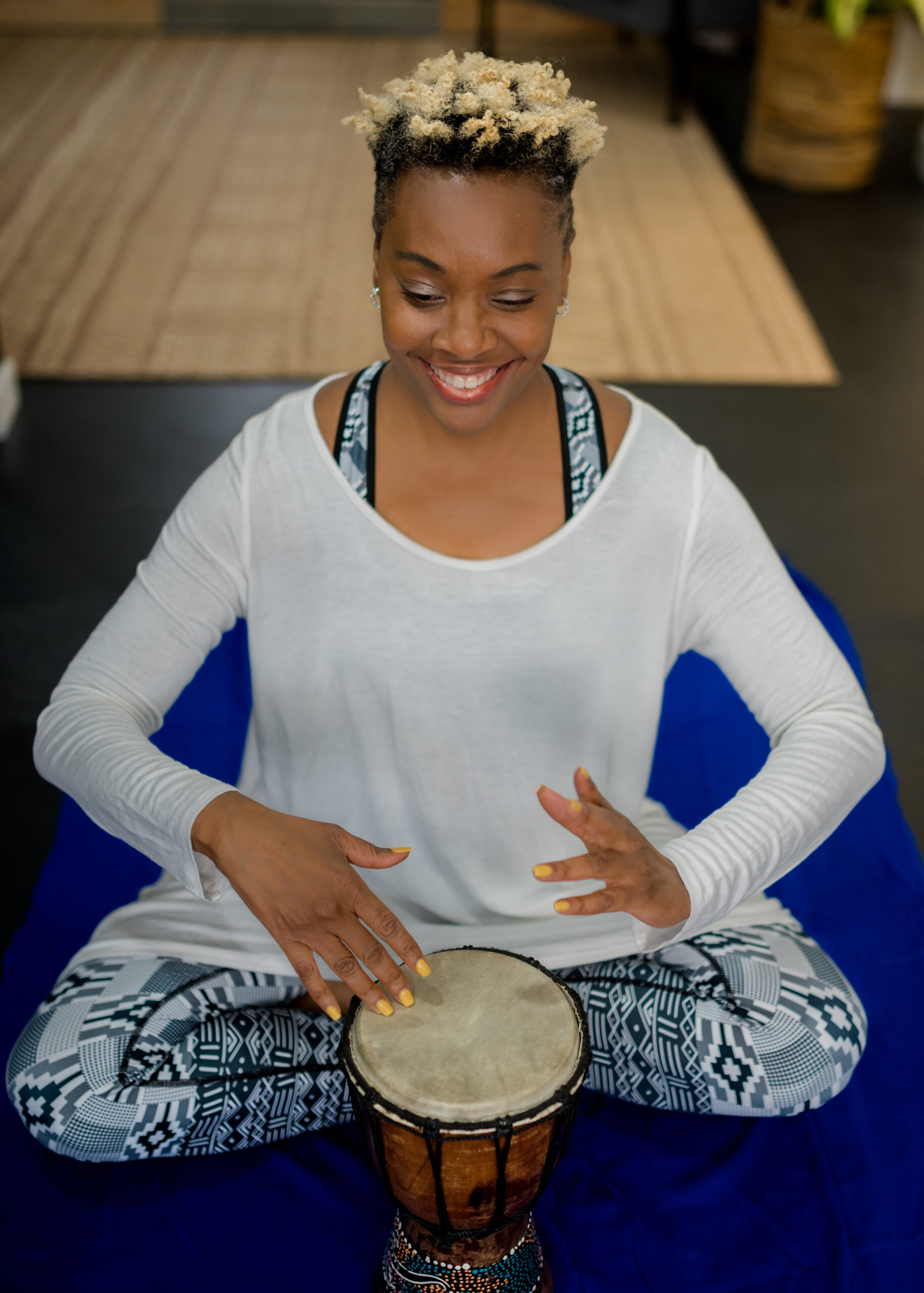
Before entering counseling, Burrowes spent 20 years working as a sound engineer in Hollywood and as a missionary in Africa. She said those experiences helped shape her understanding of people, communication and creativity.
Today, she uses music, movement, visual art and other creative techniques to help clients process emotions and experiences. She has seen clients arrive at sessions feeling depressed and unwilling to talk, only to leave feeling more hopeful after participating in music and movement activities.
“I have witnessed clients come into session feeling depressed and not wanting to speak,” Burrowes said, “and after engaging in music and dance movement therapy, leaving with more hope in their hearts and a will to engage with life.”
She also has seen visual art help clients identify and express emotions they had difficulty recognizing. Creating artwork can provide a safe way to explore feelings and begin conversations that might otherwise be difficult.
For Burrowes, the work is deeply personal.
“Life as an expressive arts therapist is really about calling for me,” she said. “I take it as an opportunity to care for the minds, bodies and hearts of beautiful souls every day.”
Music as a Bridge
For Swimmer, owner of Charlotte Music Therapy, his path to music therapy was also shaped by personal experience.
As a teenager, he battled osteosarcoma, a type of bone cancer. During lengthy hospital stays, he said music was an important source of comfort and connection.
“I have always had a deep connection to music,” Swimmer said. “I used music as my own therapeutic outlet and connection throughout this trying time.”
After earning a degree from the University of North Carolina Wilmington, Swimmer observed a music therapy session at Queens University of Charlotte. The experience convinced him to pursue the profession. He later earned a bachelor’s degree in music therapy from Queens.
Over the past 10 years, Swimmer has worked with patients in hospitals, behavioral health programs, memory care facilities and substance-use treatment programs. He has also worked with people who have developmental disabilities and acquired brain injuries.
One challenge, he said, is that many people misunderstand what music therapy involves. “People often mistakenly think of music therapy as entertainment without understanding the clinical nature of what it is we do.”
He said greater public awareness and professional recognition could help expand access to services in North Carolina and beyond.
Some of the most meaningful moments in his work occur in memory care facilities. He said residents who appear withdrawn or disengaged often respond almost immediately when they hear or make music themselves.
“Music seems to immediately engage folks,” Swimmer said. “Those who were previously asleep begin engaging in interactive music making, smiling and singing along.”
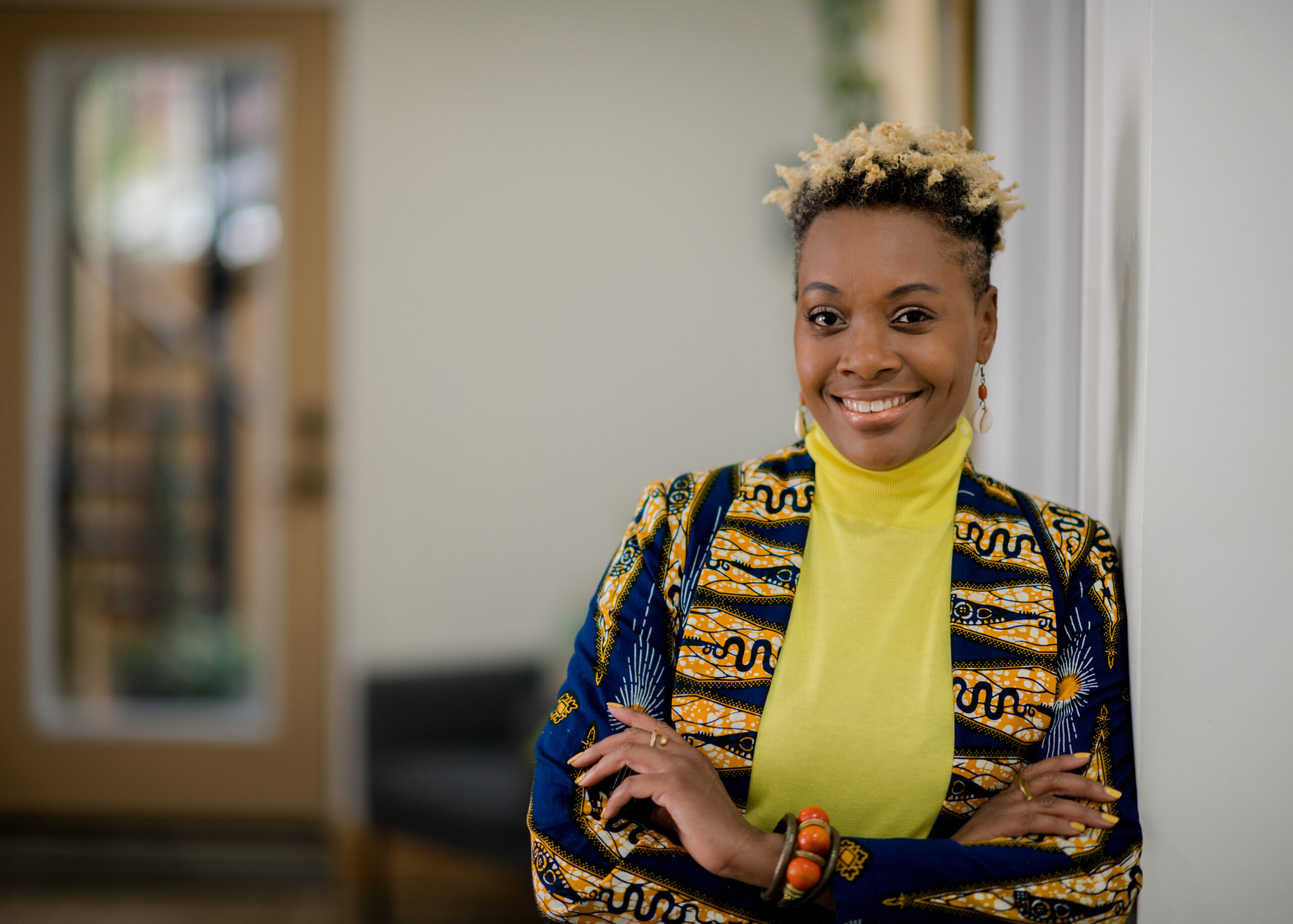
He also works with adolescents experiencing behavioral health challenges. Through songwriting, listening activities and other therapeutic techniques, some of them start to open up emotionally.
Music often serves as a powerful motivator for progress in cognitive, emotional, social and physical goals, said Swimmer. “More often than not, music is the motivating factor that promotes engagement and progress.”
The work of Burrowes and Swimmer shows that it’s never too late to explore the arts and creativity is not reserved only for so called “artists.”
Whether through painting, dancing, singing, writing or making music, creative expression can help people communicate, process emotions, make connections and heal.