
By Loán C. Lake

With the filming of Bravo’s Top Chef Season 23 and local restaurants recognized by the James Beard Awards and the Michelin Guide, the Queen City is no longer a culinary underdog. Once known primarily for breweries and casual dining, Charlotte is now carving out a reputation as a serious food city, one where Southern tradition meets global influence, and chefs earn national accolades without abandoning their roots.
Visitors and residents can enjoy myriad fare that transports the palate from Brazil to France to Tanzania, all within a few steps. Thanks to a growing number of social media influencers, creative marketing and the tried-and-true power of word of mouth, the rest of the world is learning that Charlotte’s culinary sector is blossoming spectacularly and continues to grow.
Fresh food rooted in community
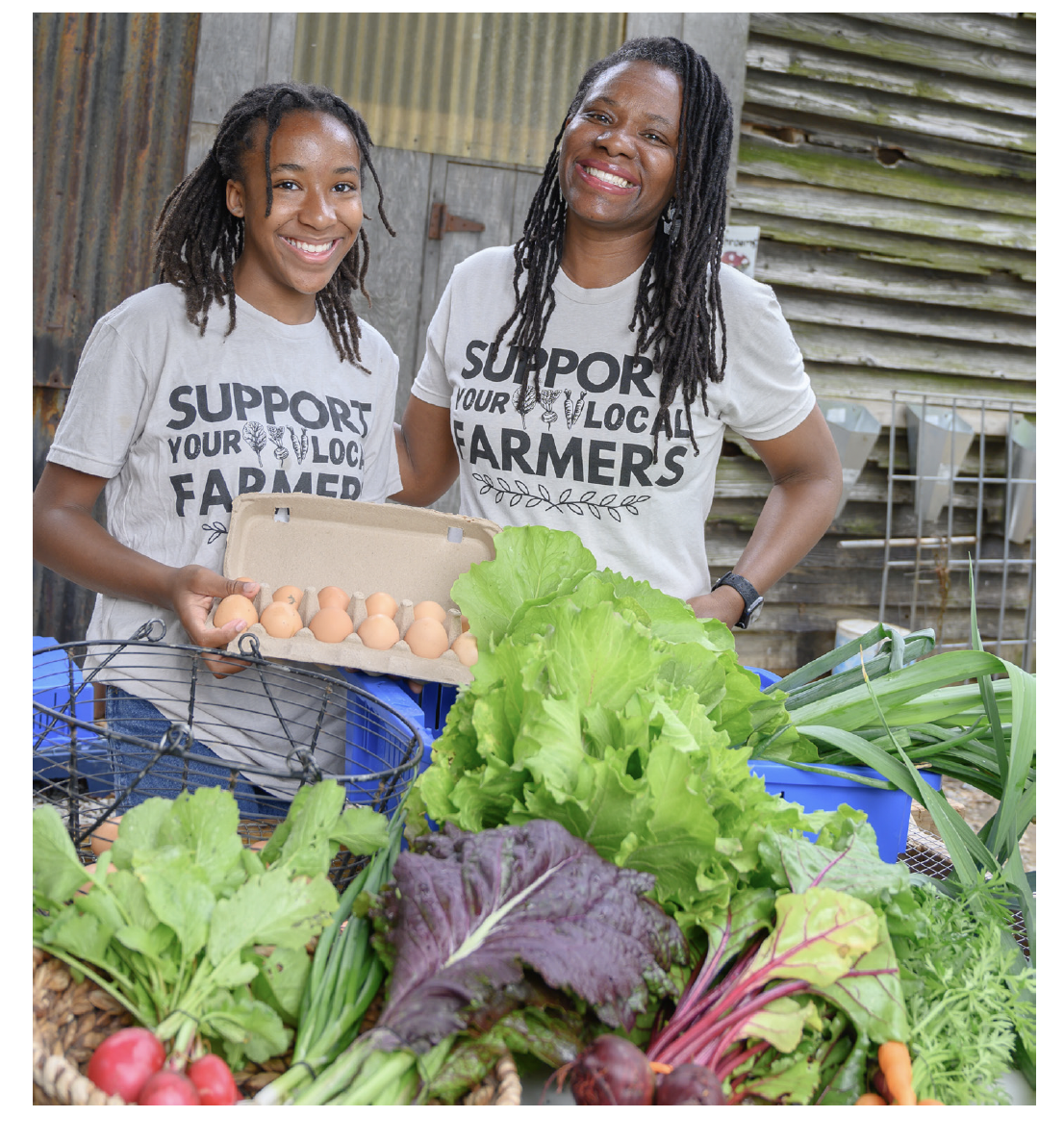
Situated between the Piedmont Mountains and North Carolina’s eastern coastal region, Charlotte is well positioned to access an array of local food suppliers. One such provider, Deep Roots CPS Farm — a seven-acre regenerative, urban farm and community staple — has become a sought-after resource for farm-to-table dining.
Known for its community planning solutions, Deep Roots is a rural oasis in the heart of East Charlotte. Owners Cherie and Wisdom Jzar, both first-generation farmers, run the day-to-day operations with help from their children, ensuring that high-quality meats, poultry and produce are sold to residents and chefs alike.
While the Jzars don’t openly market their products to restaurants, they have become sought-after suppliers through relationships formed as vendors at the Uptown Farmers Market in Charlotte’s city center. “Many of the chefs shop local markets, and that’s where we learned what they were using products for,” Cherie Jzar said.
“We worked with [James Beard–nominated] chef Greg Collier when he owned Leah and Louise, and we currently work with Chef Andreas of Custom Shop. We are also connected with Chef Carl Brown and the students at Livingstone College in Salisbury, North Carolina — the only accredited HBCU culinary program in the country,” she said.
To help build the talent pipeline in Charlotte, Jzar said she would like to see a more concerted effort to help Charlotte youth connect to their food sources along with greater, long-term support for urban farms. “We need more urban farms where chefs can source their produce and serve from a farm right to the table. I would also like to see more Black folks with thriving restaurants and serving the community. Black farms used to be everywhere, especially in the South,” she said.
Growing a crop of culinary talent
Culinary talent in the Charlotte area is being groomed at Johnson C. Smith University, Central Piedmont Community College, and Johnson & Wales University, which has produced award-winning alumni such as Chayil Johnson, executive chef at Community Matters Café in Uptown. Johnson was named a 2025 James Beard semifinalist for “Best Chef in the Southeast” category — one of four Charlotte-based semifinalists in the past year — and continues to create dishes that blend his New Orleans roots with Middle Eastern and North African influences.
“I’d like the food scene to continue to grow, and for guests to understand the privilege of seeing what chefs are currently doing in this city,” Johnson said. “I don’t think enough people outside of the industry recognize the great things that have happened [in Charlotte] in under 10 years.”
“Charlotte has consistently been compared to Charleston, Asheville or Atlanta because people see it as an up-and-coming culinary attraction,” said Johnson. “In reality, Atlanta has been a prominent food city since the 80s … be patient. Find your local spots and support them. So many cool chefs are doing amazing things. I want to see more people coming from other places cooking their own food,” he said.
Global cuisine…bold, authentic flavors
Beyond food trucks, new chefs can gauge community support through culinary test kitchens like City Kitch in West End or kiosks at the 7th Street Public Market, home to It’s Poppin! Gourmet Kettle Korn.
For the past eight years, former banking executive and It’s Poppin! co-owner Janelle Doyle has run the popular snack bar with her husband, chef Desmen Milligan, delighting customers worldwide with imaginative kettle corn flavors such as cookies and cream, white chocolate peppermint, mocha, and their signature Panthers Mix.
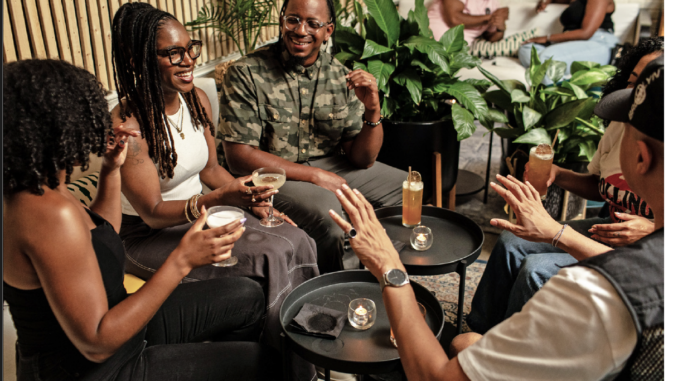
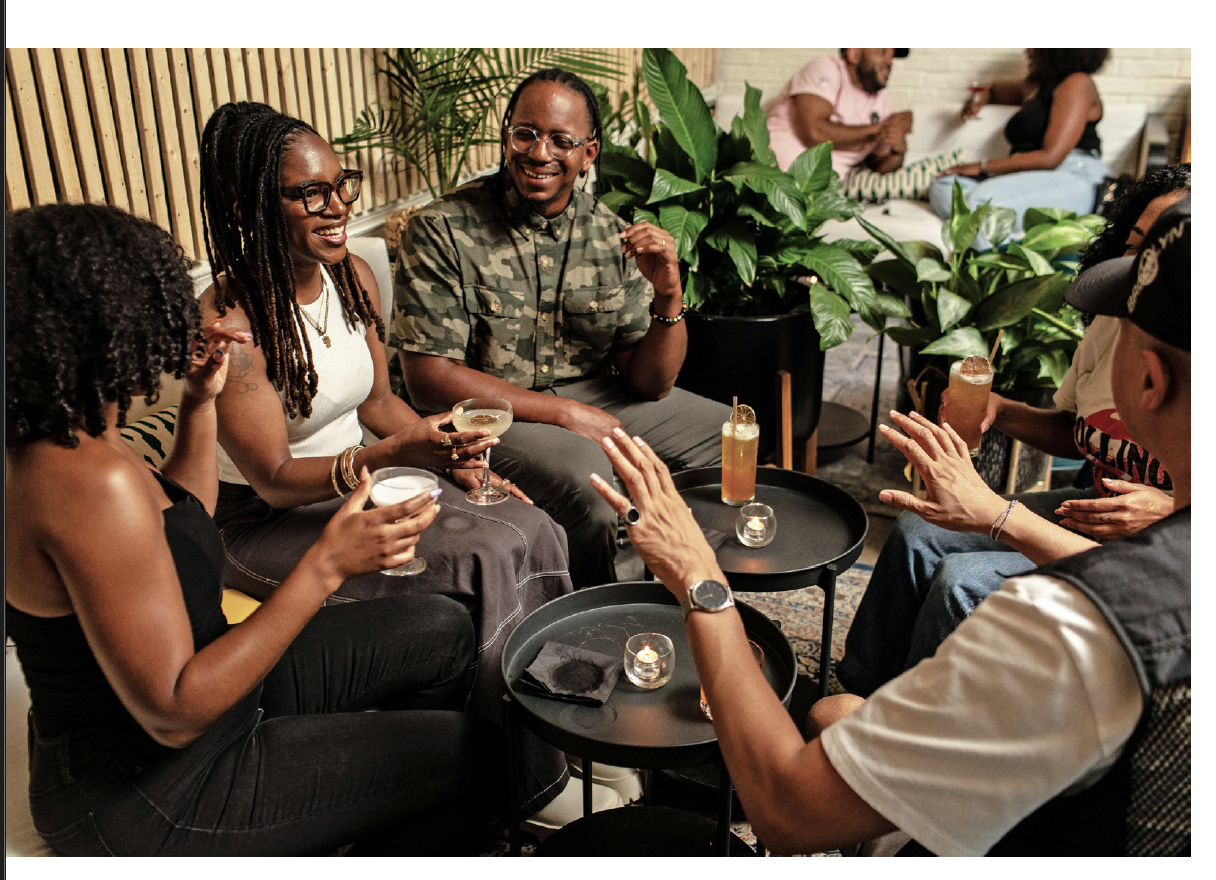
Charlotte offers something for every palate, and the caliber of its restaurants continues to rise. Last November, the 2025 Michelin Guide American South recognized the Wesley Heights restaurant Counter- with both a Michelin Star and Michelin Green Star for its vision for the future of gastronomy. East Charlotte community staple Vietnamese restaurant Lang Van received a Michelin Bib Gourmand rating, which recognizes restaurants that offer high-quality, delicious food at a moderate price point, and Colleen Hughes of Supperland and Leluia Hall received the 2025 American South Exceptional Cocktails Award. Ten additional Charlotte restaurants were named to the Michelin American South’s 2025 Recommended Restaurants.
In 2025, “Esquire” magazine named Justin Hazelton’s Plaza Midwood cocktail bar, Lorem Ipsum, one of the best bars in America, while “The New York Times” recognized Bird Pizzeria as one of the best pizza places in the country. Owned by husband-and-wife team Kerrel and Nkem Thompson, the popular eatery went viral for its crowd-pleasing kale Caesar salad.
These culinary gems tell a larger story — one of a city embracing growth while holding on to tradition. As chefs draw from their heritage to reimagine Southern favorites, a new flavor profile is emerging in the Queen City — bold, inclusive and distinctly its own. It is a transformation that Doyle sees as a win-win.
“Wherever they [chefs] are coming from, they are bringing their own culinary experience, their own flavors and their own culture,” she said. “I’d like to see us becoming one of the food destinations in the world that people clamor to for the culinary experiences and backgrounds.”
Charlotte isn’t simply catching up to other food cities; it’s setting the table for what comes next.