

By Angela Lindsay
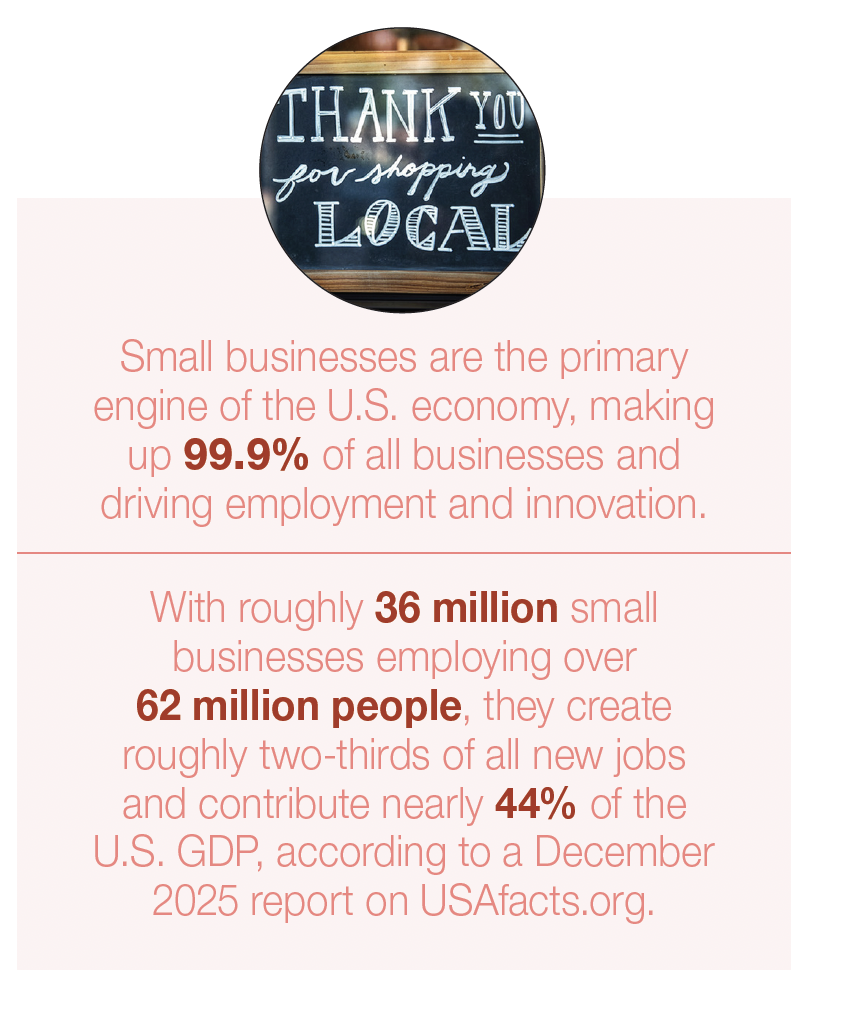
While starting a new business can be a daunting task, sustaining it—particularly in today’s economic climate—can seem downright overwhelming. From rising costs and tariffs affecting supply chains to retaining customers who may be tightening their spending habits, small business owners are navigating uncertain waters more than ever. Small businesses remain the backbone of the American economy, accounting for 99.9% of all businesses nationwide. With approximately 36 million small businesses employing more than 62 million people, they create nearly two-thirds of all new jobs and contribute close to 44% of the nation’s gross domestic product. Yet despite their importance, entrepreneurs continue to face persistent inflation, limited access to capital, and increasing competition from larger corporations.

For Sherry Waters, owner of The Pauline Tea-Bar Apothecary, those challenges have become increasingly visible. Since opening her business in Charlotte’s historic Camp Greene neighborhood seven years ago, she has watched the area rapidly transform with new apartment developments rising around her storefront. While the growth has brought potential new customers within walking distance, it has also driven up lease costs and property values. Waters says the rising cost of occupancy remains her biggest obstacle. Although she would love to purchase property, real estate prices have made ownership difficult. She also attempted to expand with a second location near Beatties Ford Road and Oaklawn Avenue, but high rent ultimately forced that location to close after only a year. Beyond rent, tariffs and increased shipping expenses have raised the cost of inventory. Fortunately, her participation in a national tea cooperative allows her to source products from organic and environmentally responsible farms, helping mitigate some of those pressures.
The experience of Wiloe Home & Gift owners Tanya Wilson and Karly Allison-Poe reflects many of the same realities. When the pair opened their Plaza Midwood gift and home décor store in 2025, they recognized that inflation and the rising cost of living were concerns, but they believed Charlotte’s continued growth would create opportunities. Instead, shifting tariffs became one of their most difficult challenges. Wilson explained that changing tariff policies required constant communication with vendors, extensive research, and difficult decisions about product sourcing. The impact extends beyond international suppliers, affecting local artists and makers whose own costs have increased. Every link in the supply chain feels the pressure, and concerns remain about how rising fuel prices may further affect shipping and operations.

To survive in an unpredictable environment, both businesses have adopted strategies focused on flexibility, customer relationships, and careful financial management. Wilson and Allison-Poe have chosen to operate their store themselves without outsourcing labor, helping control expenses while maintaining a direct connection with customers. They remain committed to their niche market and emphasize creating a welcoming, community-focused shopping experience. They also carefully monitor pricing to ensure products remain accessible to their customer base while preserving the quality and uniqueness that distinguish the store. According to Wilson, many consumers increasingly seek authentic local connections, making personalized service and strong community ties more valuable than ever.
Access to capital remains another critical factor for small-business survival. Experts advise entrepreneurs to maintain multiple funding options, whether through savings, investments, family support, banking relationships, or creative uses of existing business assets. Waters has diversified her revenue streams to create greater stability. In addition to operating her tea bar, she provides stewardship consulting and coaching to nonprofit leaders and social entrepreneurs and serves as a community chaplain offering spiritual direction. The tea bar itself hosts wellness classes, private events, live jazz performances, open-mic poetry nights, and community gatherings, transforming the business into a destination that generates income from multiple sources while strengthening customer engagement.
Wilson notes that inflation affects customers as much as it affects business owners. Even a modest increase in gasoline prices can significantly impact discretionary spending. When families spend more on essentials such as transportation, they often delay purchases that support local retailers. Because of this, customer retention has become increasingly important. Businesses that prioritize customer service, reward loyalty, and maintain strong community visibility are often better positioned to weather economic uncertainty. Wilson credits Wiloe Home & Gift’s continued growth in part to increased neighborhood traffic, partnerships with nearby businesses, and active participation in community events. These efforts help keep the business top-of-mind while creating meaningful relationships that drive repeat visits.
Both entrepreneurs agree that listening to customers is one of the most valuable business practices during uncertain times. Consumer preferences change quickly, and small businesses that adapt to those shifts are more likely to remain competitive. Whether through personalized service, unique products, community engagement, or simply delivering a memorable customer experience, local businesses must continue finding ways to stand out. Wilson believes word-of-mouth remains the most effective form of marketing. Customers who feel valued share their experiences with friends, neighbors, and colleagues, creating a network of support that advertising dollars alone cannot buy.
Despite economic headwinds, both Waters and Wilson remain optimistic about the future. Their advice to fellow entrepreneurs is simple: stay true to the qualities that make your business unique, manage finances carefully, pay attention to broader economic trends, and never stop listening to your customers. In a challenging economy, resilience, adaptability, and community connection may be the most valuable assets a small business can possess.