
By Derik Hicks
Charlotte’s creative landscape continues to evolve, and at the heart of that growth is the Queen City Culture Film Festival (QCCFF), a short-film festival founded by two Black women with deep roots in film, performance and community storytelling.
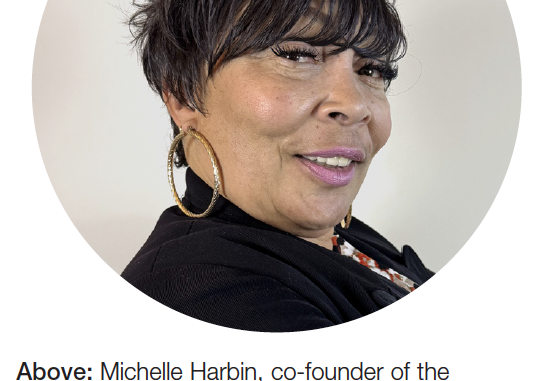
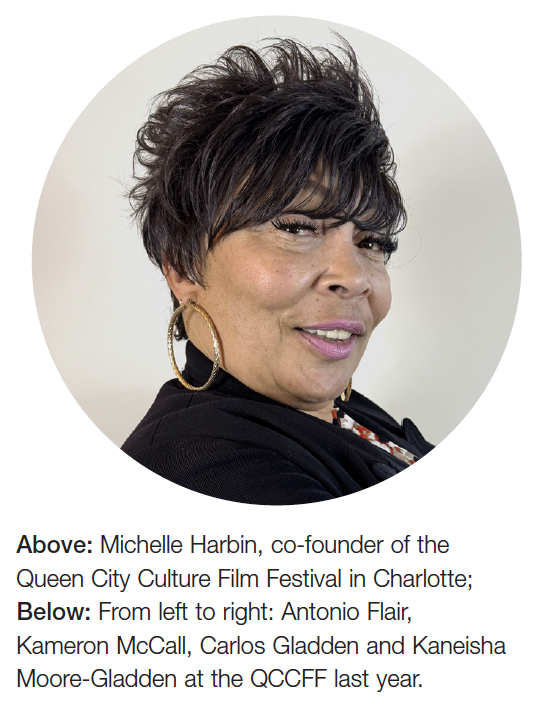
Michelle Harbin and actor Maritalyn Frazier founded the festival last year. Now entering its second year, the festival returns in April 2026 with a renewed commitment to elevating underrepresented voices — and an expanded vision that reaches beyond traditional film spaces.
For Harbin, storytelling has always been more than entertainment. She said it’s a reflection of lived experience, resilience and connection.
“My experiences as a writer, director, actor and award-winning filmmaker guide me to prioritize narratives that reflect struggles, victories and community spirit from all cultures,” Harbin said. That creative foundation shapes every aspect of the festival — from film selection to audience engagement.
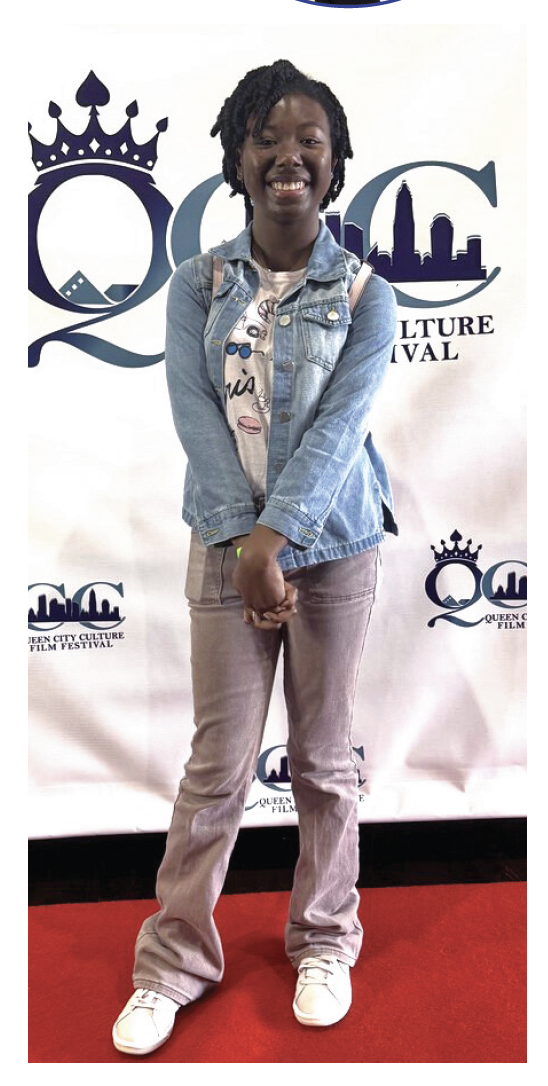
Launched in Charlotte and rooted firmly in the Southeast, the QCCFF filled a noticeable gap in the region’s arts ecosystem. While Charlotte is home to many creative initiatives, Harbin saw an opportunity to build something distinct — one that centers short films, emphasizes cultural authenticity and actively welcomes voices that are often overlooked.
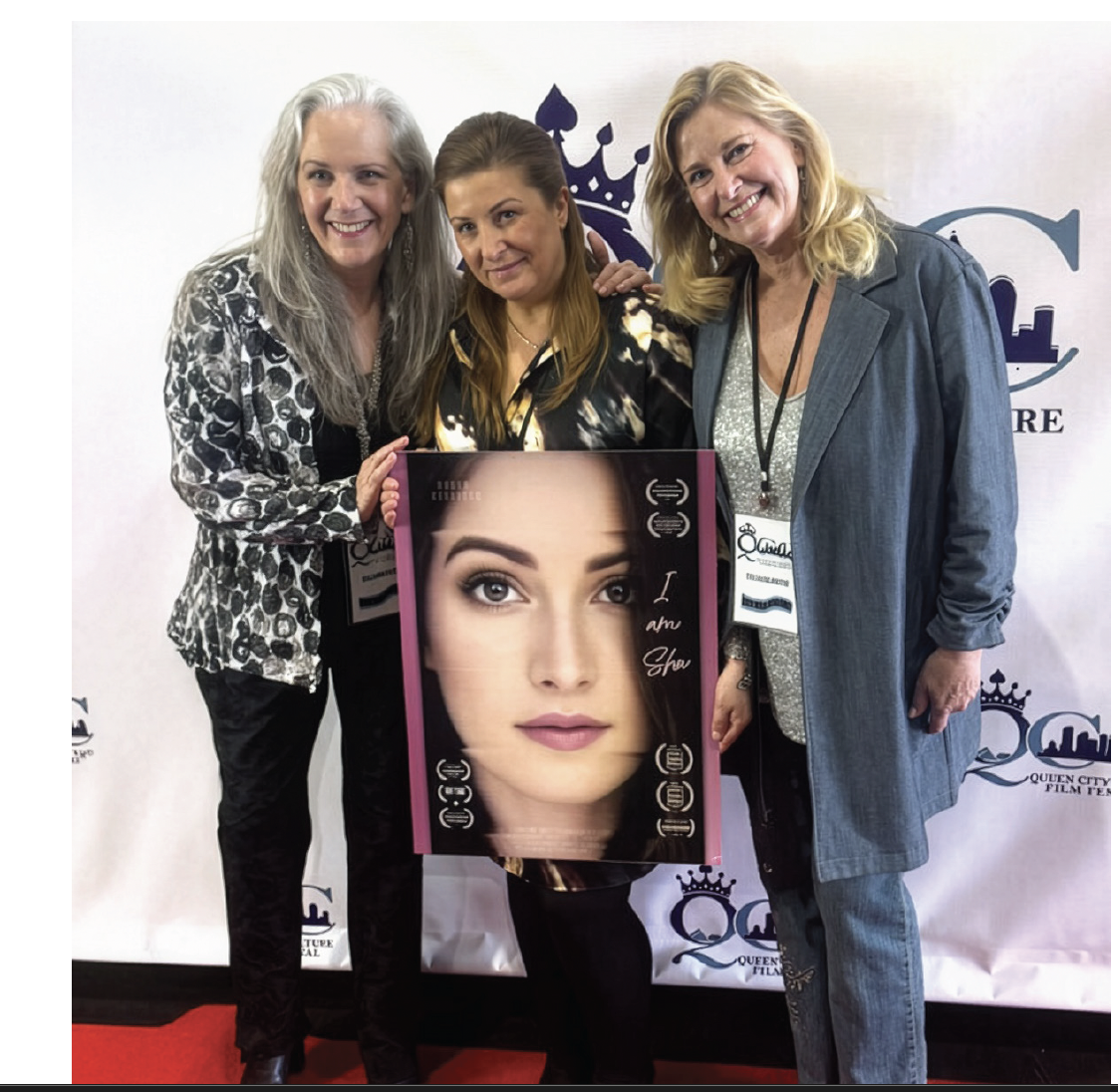
“The Queen City Culture Film Festival emphasizes diverse and underrepresented voices from the Southeast, partnerships with academic and arts organizations, and elevating local and regional culture through film,” Harbin said.
That focus extends to the festival’s accessibility. QCCFF prioritizes venues that accommodate disabled audiences, offers closed captioning where possible and maintains a transparent submission process for filmmakers. The goal, Harbin said, is to ensure both creators and audiences feel welcomed and seen. “Accessibility and representation are not optional — they’re essential.”
This commitment came into sharp focus earlier this year with the launch of the “Voices of Disability Film Showcase,” held in February at Central Piedmont Community College.
The showcase emerged organically after Harbin was introduced — through volunteer outreach coordinator April Benson—to Judith Brown, a disabled community advocate who expressed a desire to see a dedicated platform for disability-centered storytelling.
“Because I had the platform, I decided to create a disability category,” Harbin said. “Being the first of its kind means creating a new space where disabled artists in Charlotte — and from around the world—can share their own stories.”
What followed exceeded Harbin’s expectations. Films submitted by disabled filmmakers, including narratives centered on Down syndrome, quadriplegia and life-altering accidents, revealed both talent and urgency. One documentary, submitted despite exceeding standard runtime limits, moved Harbin deeply enough that she felt compelled to build something larger around it.
“I couldn’t just let those films sit there,” she said. “That’s when the ‘Voices of Disability Film Showcase’ came to life.”
Harbin said disability storytelling is not niche. “It’s not just for the disabled community,” she said. “It’s for anyone who has a family member with a disability — and even if you don’t. They have a voice, and we have to support them.”
The Queen City Culture Film Festival will take place on April 25, 2026, at the Ayrsley Grand Cinema in Charlotte, from 1 to 10 p.m. The festival will feature short films from the U.S. and other countries, live Q&A sessions with filmmakers and actors, and an awards ceremony recognizing outstanding performances. Thanks to partial funding from the Arts & Science Council through its Culture Blocks grant, admission will be free.
“We’re bringing bold, boundary-pushing films, real conversations, and a true sense of community,” said Harbin. “This is family-friendly, easy to access, and designed for everyone.”
For Harbin, one of the most powerful moments each year comes during the awards ceremony. “Seeing filmmakers’ faces light up when they hear they’ve won — it’s unexpected, and it’s emotional,” she said. “I’m helping make other people’s dreams come true, and in the process, I’m fulfilling my own.”
As QCCFF continues to grow, Harbin sees it as more than a festival — it’s a cultural connector. By showcasing regional talent, fostering dialogue and building partnerships across communities, the festival contributes to Charlotte’s evolving identity as a city where stories matter.
“I can’t do this alone,” Harbin added. “It’s my vision, but it takes a team and a supportive community. Without them, none of this would be possible.”